

Enhancing Your Kayaking Speed: How to Paddle A Kayak Faster
Supporting podcast episodes for those who prefer to listen rather than read:
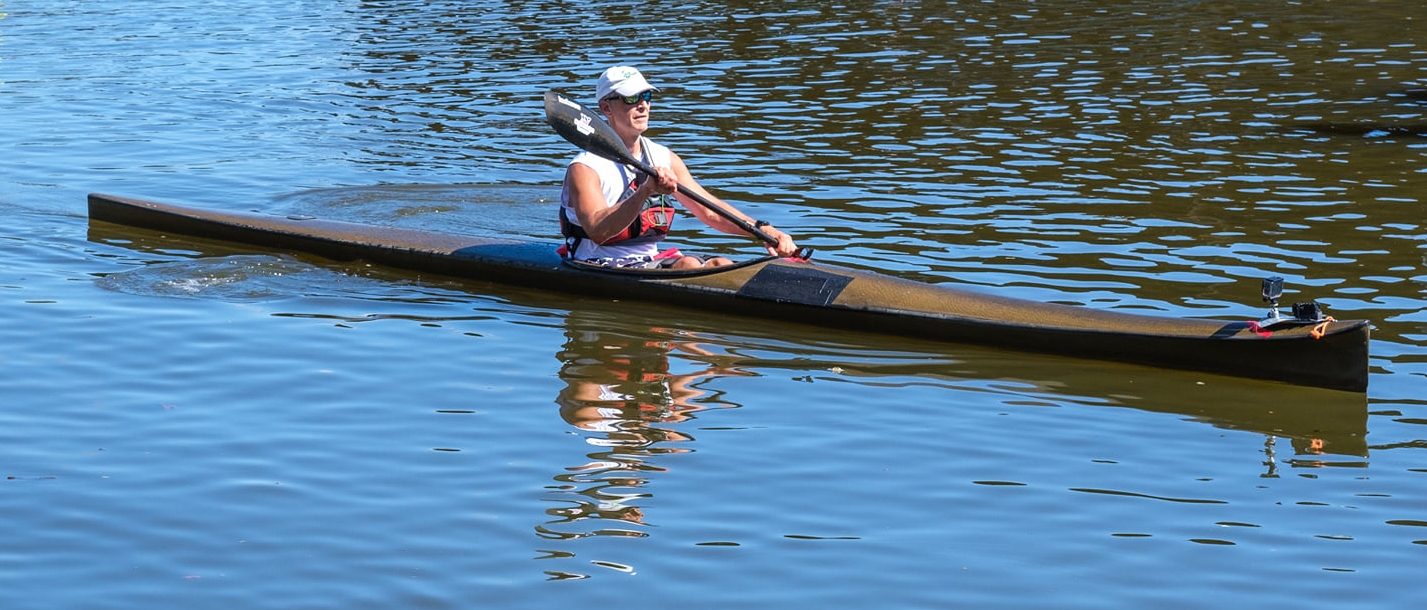
Kayaking is a dynamic sport that combines adventure, skill, and endurance. For enthusiasts seeking to improve their speed and efficiency on the water, understanding and refining paddle technique is essential. Among various methods to increase kayaking velocity, upgrading to a wing paddle and learning the specialized wing stroke stand out as highly effective strategies. This guide explores how these tools and techniques can significantly enhance your paddling speed, providing insights into their advantages, proper usage, and integration into your kayaking practice.
The Fundamentals of Paddling Speed
Before delving into specific equipment and techniques, it’s important to understand the fundamentals that influence paddling speed.
These include:
Paddle Technique: Efficient stroke mechanics maximize propulsion while minimizing energy wastage.
Paddle Equipment: The shape, size, and design of your paddle directly impact how much water you move with each stroke.
Physical Fitness: Core strength, endurance, and overall conditioning contribute to sustained speed.
Boat Design: The kayak’s hull shape, length and width, and construction material influence glide and ease of movement. This factor cannot be ignored for those paddlers desiring to go faster as every boat design has a maximum hull speed. Once the paddler is able to get the most speed theoretically possible from a particular kayak, they must consider upgrading to a faster kayak if they still desire to go faster.
While all factors are important, equipment upgrades and refined technique often yield immediate and noticeable improvements.
The Role of Paddle Design in Speed
Traditional paddles typically feature a symmetrical blade with a broad surface area, suitable for a variety of conditions and paddling styles. However, to maximize speed, especially in racing or long-distance paddling, switching to specialized paddles can make a significant difference.
The Basics of Paddling a Kayak Faster
The art and skill of paddling faster revolves around improving technique, optimizing equipment, and increasing efficiency. Here are the key principles:
1. Use Proper Technique:
- Engage your core: Rotate your torso with each stroke to generate more power.
- Smooth entry and exit: Enter the water cleanly with the paddle blade near the kayak’s bow, and exit with minimal splash to reduce drag.
- Maintain a high elbow: Keep your off-hand elbow high during the catch to maximize water contact with the active blade.
- Use your whole body: Avoid relying solely on arm strength; incorporate your core and legs as much as possible. Don’t be an arm paddler!
- Consistent rhythm: Maintain a steady, efficient stroke rate suited to your endurance level.
2. Optimize Your Paddle:
- Choose the right paddle: A lightweight, appropriately sized paddle reduces fatigue. Paddle blades have different surface areas and larger blades will tend to make you tire more quickly due to strain (more blade resistance in the water.)
- Use an efficient stroke: Techniques like the high-angle stroke, sweep stroke, or the wing stroke (if using a wing paddle) can enhance propulsion.
- Minimize wasted movements: Keep movements controlled and deliberate to conserve energy. Any movements not associated with driving the boat forward represent lost or wasted energy.
3. Improve Body Position and Mechanics:
- Sit upright: Good posture reduces drag and allows for better power transfer.
- Lean slightly forward as if attacking the water. Leaning back is generally considered a defensive posture.
- Stay relaxed: Tension wastes energy; stay loose and fluid. Being tense also increases your odds of capsizing when you encounter an unexpected encounter with a log, rock, wind gust, or rogue wave.
4. Increase Endurance and Strength:
- Regular cardiovascular and core training help sustain higher speeds over longer distances.
- Weight training or resistance training to build muscles used for paddling. Don’t skip leg day! Pumping your legs to drive energy forward into the foot pegs or foot rest is an essential paddling technique.
5. Choose the Right Equipment:
- Lightweight, streamlined kayaks with a hull designed for speed can make a significant difference.
- Use a paddle with a blade shape suited for your paddling style.
6. Practice and Consistency:
- Regular practice improves technique, muscle memory, and confidence.
- Focused drills, such as interval training or technique refinement, accelerate progress.
Paddling faster is primarily about refining your technique—using your entire body efficiently, maintaining good posture, and executing smooth, powerful strokes—along with selecting suitable equipment and building physical endurance. Mastering these basics will help you paddle more swiftly and with less fatigue.
Going Even Faster: Upgrading to a Wing Paddle
A wing paddle, also known as an airfoil paddle, is characterized by its uniquely shaped blade that resembles an airplane wing. Unlike traditional paddles, wing paddles have blades with an asymmetrical profile, with a curved surface designed for optimal water and air interaction.
Advantages of Wing Paddles:
Increased Propulsive Efficiency: The airfoil shape generates lift (in this case, in the forward direction in the water) with each stroke, much like an airplane wing, translating to more thrust with less effort.
Reduced Drag: The streamlined design cuts through the water smoothly, allowing for higher speeds.
Better Power Transfer: The shape allows for more effective transfer of energy from the paddler to the water, especially when combined with proper technique.
Material and Design Considerations:
Wing paddles are made from lightweight materials such as carbon fiber or fiberglass, ensuring minimal fatigue during extended paddling. They come in various sizes and blade shapes tailored for different water conditions and paddling styles.
Mastering the Wing Stroke
The efficiency of a wing paddle is maximized when used with the correct stroke technique: the wing stroke. This specialized technique leverages the aerodynamic and hydrodynamic properties of the wing paddle to propel the kayak faster.
Key Components of the Wing Stroke:
- Entry and Catch: The paddle enters the water smoothly near the kayak’s bow, with the blade oriented to maximize water contact. The paddle is kept close to the boat to reduce drag.
- Power Phase: The paddler applies force using the torso and core muscles, rotating the upper body to generate power. The wing blade, shaped for lift, produces a propulsive force as it’s pulled back and outward through the water at an approximate 30-degree angle away from the boat, not in a straight line parallel to the boat as in a traditional stroke.
- Exit and Recovery: The paddle exits the water cleanly, with minimal splashing, and moves forward for the next stroke with a relaxed recovery, conserving energy.
Proper Technique Tips:
- Body Rotation: Engage your core by rotating your torso with each stroke, rather than relying solely on arm strength. This increases power and reduces fatigue.
- High Elbow Position: Keep your off-hand elbow high (but not too high) during the catch phase to maximize blade immersion and leverage.
- Smooth, Controlled Movements: Avoid jerky motions; fluid strokes are more effective and conserve energy.
- Timing and Rhythm: Maintain a consistent pace, coordinating your breathing with your strokes for optimal endurance.
Integrating the Wing Paddle and Stroke into Your Practice
Transitioning to a wing paddle and mastering the wing stroke requires practice and patience. Here are steps to effectively incorporate these into your paddling routine:
- Select the Right Equipment: Choose a wing paddle suited to your body size, paddling style, and water conditions. Seek expert advice or try different models before purchasing.
- Learn Proper Technique: Enroll in lessons or watch instructional videos focused on wing paddling. Focus on body rotation, paddle entry, and smooth recovery.
- Practice in Controlled Conditions: Start in calm waters where you can concentrate on technique without adverse conditions interfering.
- Build Strength and Endurance: Incorporate core exercises and cardiovascular training to support efficient paddling.
- Gradually Increase Intensity: As your technique improves, challenge yourself with longer distances and higher speeds to develop endurance.
Additional Tips for Faster Paddling
While upgrading equipment and technique are primary, other factors can contribute to increased speed:
- Optimize Your Kayak: Use a sleek, lightweight kayak designed for speed and efficiency.
- Streamline Your Body: Maintain good posture, keep your head aligned, and minimize unnecessary movements to reduce drag.
- Plan Your Route: Use currents, wind, and water conditions to your advantage when possible.
- Consistent Practice: Regular training improves muscle memory, technique, and overall performance. I personally like to train consistently on the water exerting roughly 60-75% effort most of the time while focusing on making my wing paddle stroke as efficient as possible. When race day comes and the adrenaline flows, the output exerted naturally goes up and each and every race is some combination of steady-state fast paddling with bursts of sprints, based on race conditions. Then in the off season, I still train on the water (as long as it isn’t frozen!) but I slow everything down and really focus on improving upon my wing stroke and making it as efficient as possible. In this regard, the regular use of a GPS watch or device that lets you analyze your speed is an essential piece of training gear. The only way to know if you are going faster is to measure it.
Conclusion
Achieving faster paddling speeds in a kayak involves a combination of proper technique, equipment, and physical conditioning. Upgrading to a wing paddle offers substantial benefits due to its aerodynamic design and efficiency, especially when used with the correct wing stroke technique. Mastering the wing stroke—characterized by smooth, powerful, and well-coordinated movements—can transform your paddling experience, enabling you to cover distances more quickly with less effort. With dedicated practice, proper equipment selection, and attention to technique, paddlers can significantly enhance their speed and enjoyment on the water, unlocking new levels of performance and adventure.
Stay safe and happy paddling!
– Dave The Kayaker
 Dave The Kayaker | Kayaking & Outdoor Adventures | Health & Fitness