

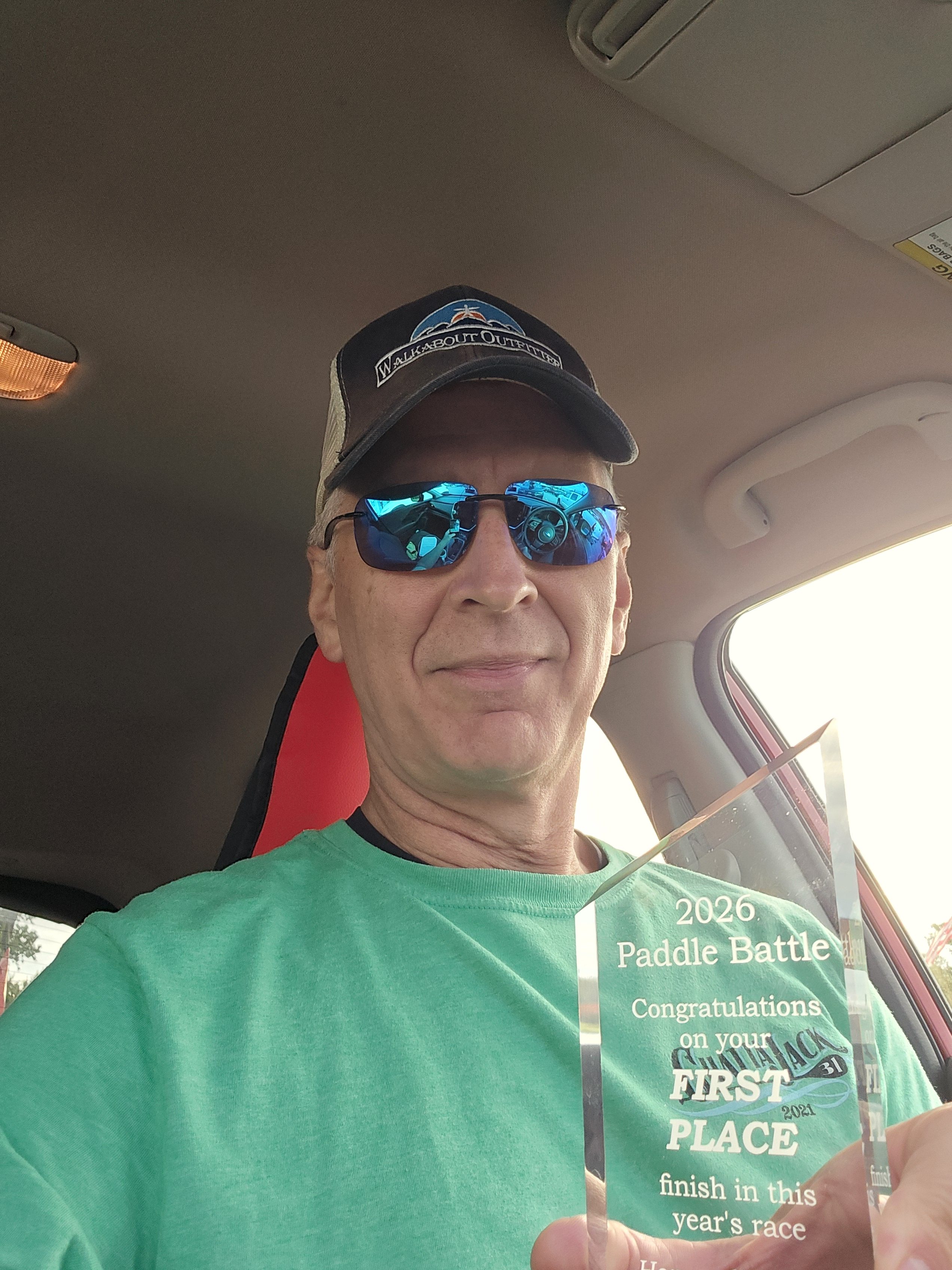
I think this was one of the most challenging 10-mile kayak races I’ve ever done.
A Nor’easter came up along the coast of Virginia the day before, so what was supposed to be a downriver race of tidal water going with the tide turned out to be something very different.
The storm surge had water rising upriver (going against us) and the wind in our faces was relentless. That all created some funky waves from weird angles and challenging conditions.
I was pleased to cross the finish line in 1st place in the kayak division, 2nd overall to two awesome paddlers, Steve and Karen, in a C2 (2-person racing canoe.)
My West Side Boat Shop Marauder kayak delivered me across a finish line successfully yet again…but there was a moment or two of taking relentless side waves that caused me to white knuckle it a bit in such a tippy boat.
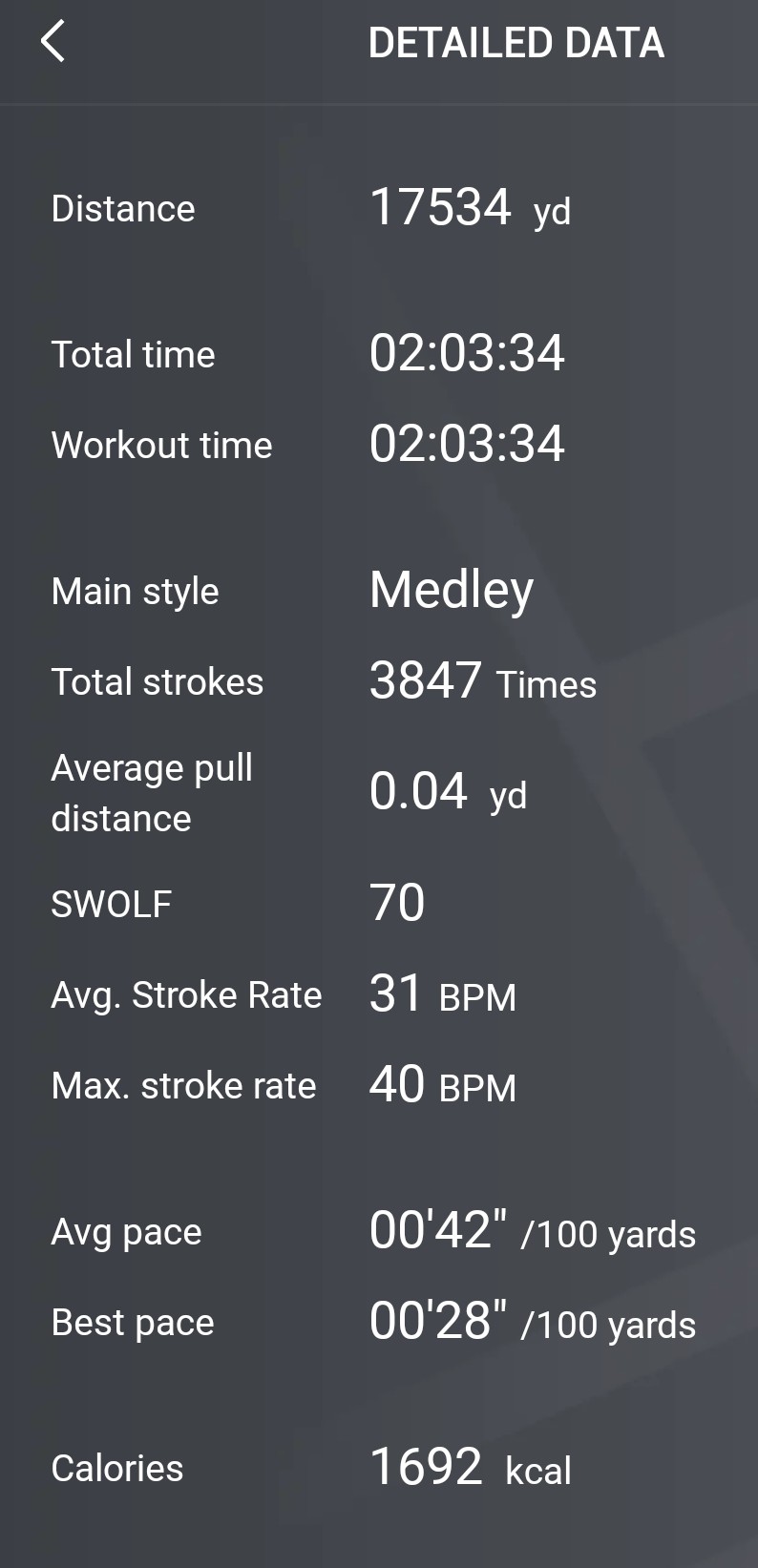
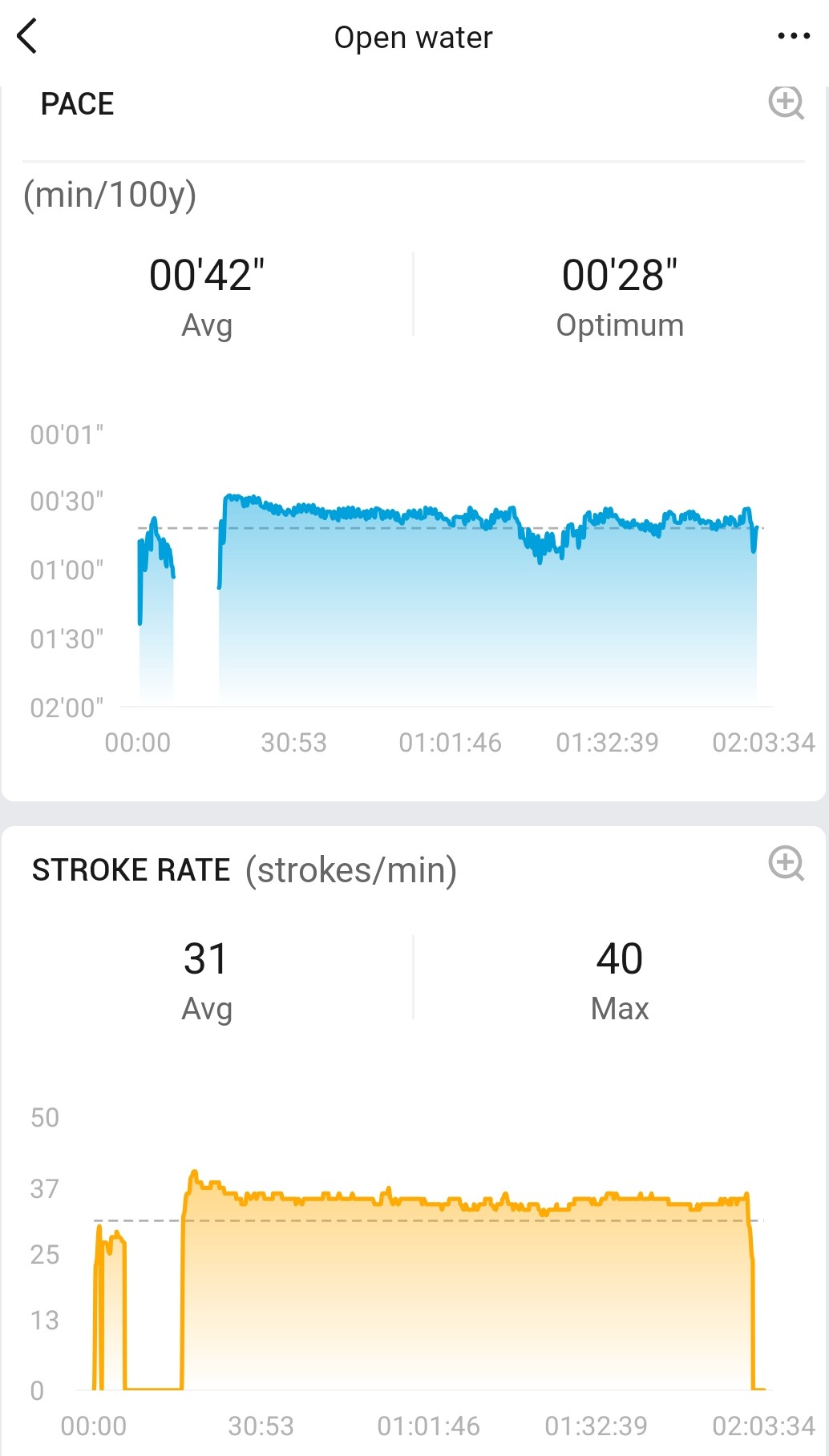
As far as I can tell from my bodycam video, my total racing time was 1:44:00. Total paddle strokes (including warmup): 3,847. My stroke rate stayed fairly consistent during the race after the starting sprint.
Overall I felt pretty good about it, despite the less-than-ideal conditions.
When the wind picked up and I started passing more and more of the leisure paddlers who started an hour earlier, I had a strong hunch that at least a few of them were figuring out they maybe had bitten off more than they could chew that day. Leisurely paddling down a lazy river is one thing, but battling headwinds and opposing storm surge for 10 miles to somebody who isn’t fairly well conditioned can be a daunting challenge. As I was leaving to head home, I saw a paddler who was taken off the water on a stretcher heading into an ambulance and there was at least 1 report of a paddler who said by the time they got to the finish line the food had already been packed up and taken away.
I guess if there is a lesson here, I would say that if you are a recreational paddler, be careful if you decide to do any race as a leisure paddler. Some assumptions are made about the skill level and endurance of racing kayakers and canoeists.
And race organizers have to take responsibility here, too. I get that race organizers try to be as inclusive as possible, both to get more people enjoying a great day on the water and to maximize fundraising, but there has to be some balance to it. As a race organizer myself for many years, I fully admit, I’m still trying to figure out where that balance point is. When I was promoting our local Rivanna River Race earlier this year, I adopted the following language:
You don’t have to be a serious competitor to enjoy this event, but if you are a “floater” who likes to take your good ole time leisurely floating down a river, this might not be the event for you. Out of respect to our volunteers and competitors who will be eager to get everyone safely off the river and get to the awards ceremony after the race, we do ask that you have a serious intention to paddle at least mostly continuously so you don’t hold up the event.
And that was for a 6 mile inland downriver race on a river that is quite well protected. No open water elements to it.
Maybe recreational paddlers should be limited to shorter distances or start significantly earlier than racers. I don’t really know the right answer, but at the very least there need to be rescue personnel on the river along with sweep boaters staying behind the last paddler to ensure everyone makes it in safely.
Research the river conditions the morning of any such event. Dress accordingly. Pack extra clothes in a drybag. And if you don’t think it feels right, there is no shame in backing out or going to the finish line and paddling upstream a bit and then floating back down.
10 miles is a long distance for most recreational paddlers. Throw in wind and tide going the wrong way and it can be overwhelming once you hit the wind and chop at mile 6 or 7 and you have to really fight to make progress. Racing boats are really long and skinny and cut through it better. Rec kayaks and rec canoes are going struggle because they are much less efficient and are catching a lot more wind.
So be prepared for conditions on race day that you might not have anticipated. Be informed, be prepared and have backup plans in place just in case.
And be sure to listen to my podcast version of this event:

